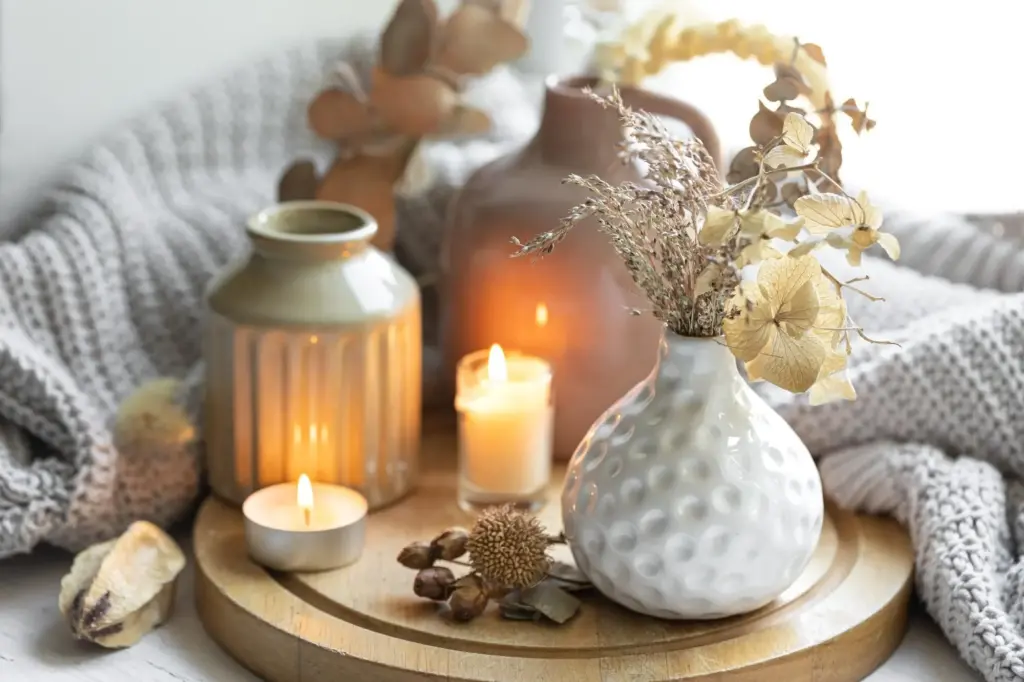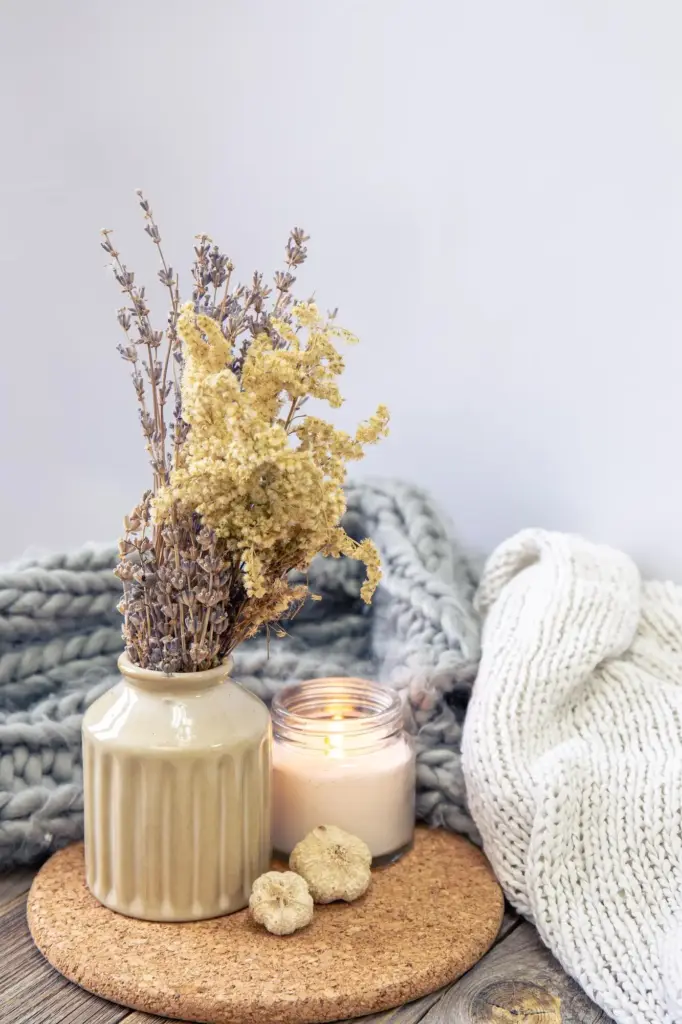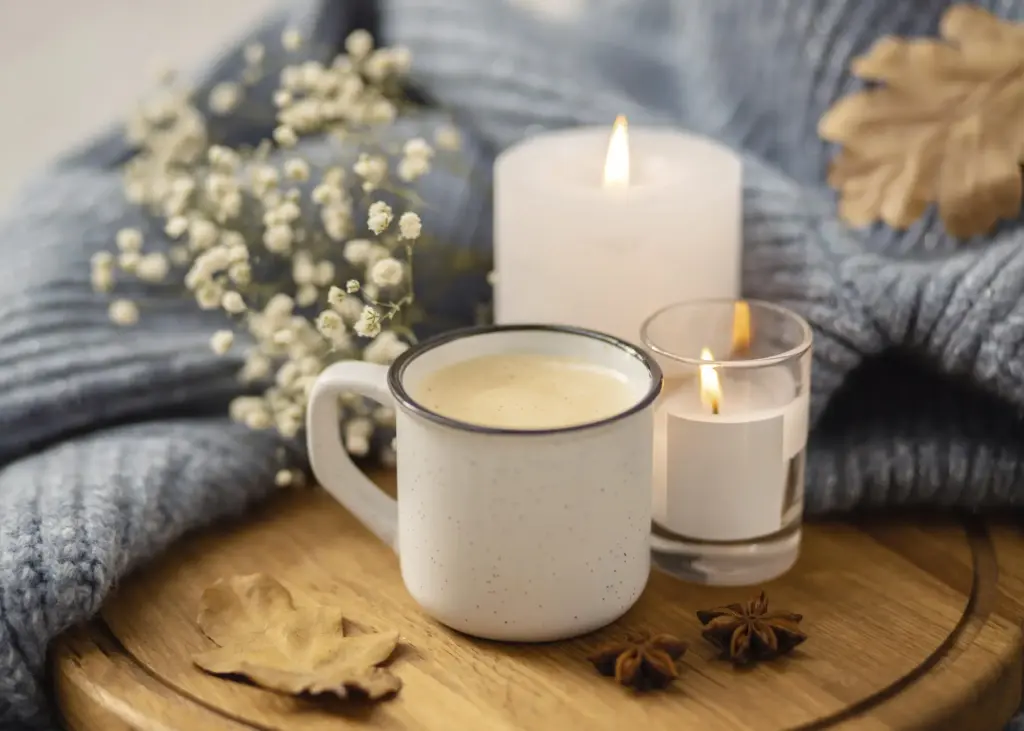
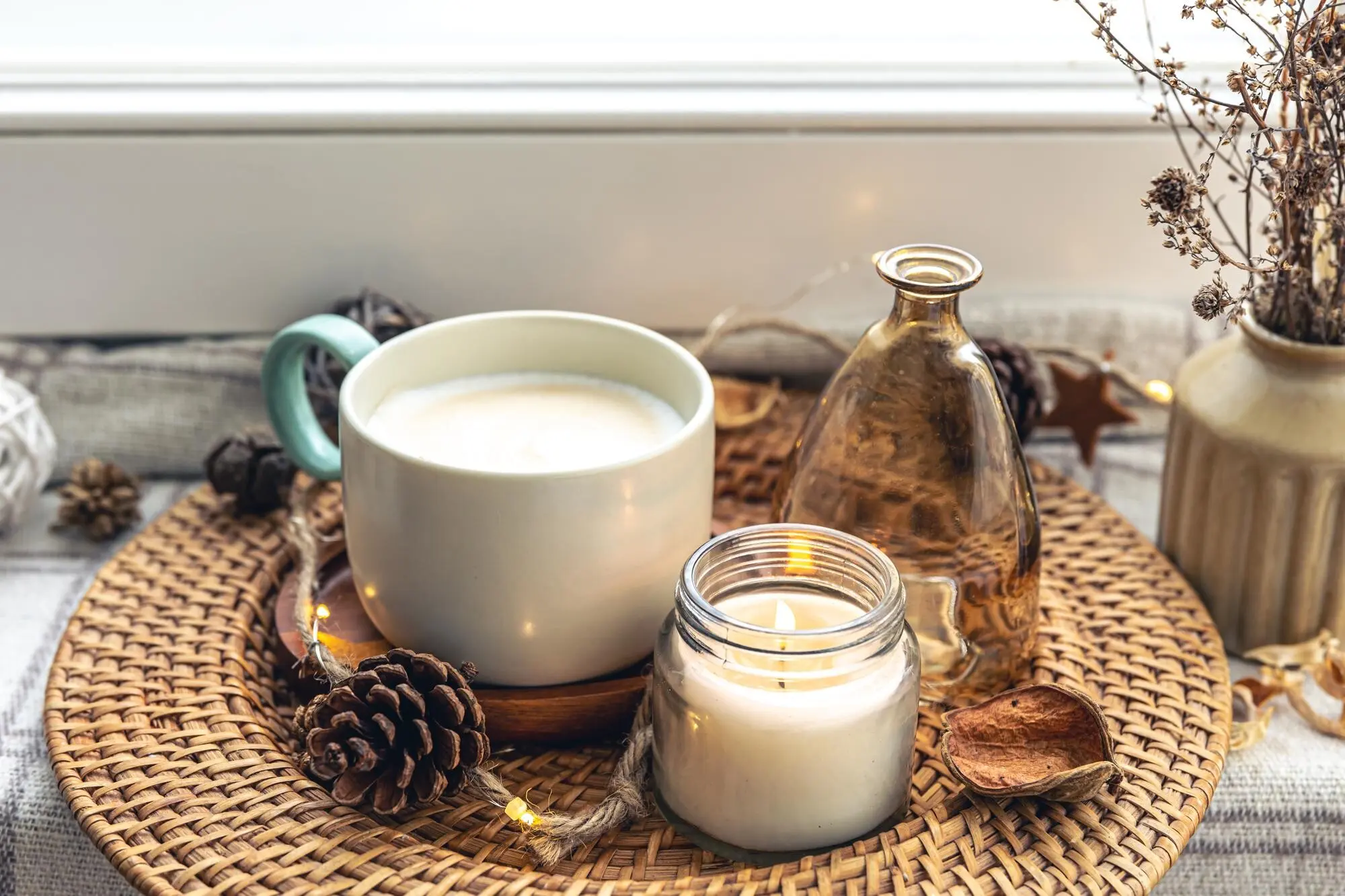
Scent Mapping Your Home, One Room at a Time

Today we explore Room-by-Room Candle Scent Palettes for a Cohesive Home Atmosphere, shaping a graceful aroma journey that welcomes guests, supports routines, and expresses personality without shouting. Discover how families of notes, burn strategy, and subtle transitions unite entryways, living areas, kitchens, bedrooms, baths, and workspaces. Expect practical pairings, heartfelt anecdotes, safe-burning guidance, and interactive prompts inviting you to refine blends, share discoveries, and build a signature fragrance story that feels intentional, comforting, and beautifully alive.

Crafting a Connected Fragrance Narrative

Think of your home as chapters in a story, each room carrying its own voice while contributing to a larger, welcoming arc. Build continuity by choosing a recurring anchor note, layering complementary accents, and pacing strength thoughtfully. Guests should notice a sense of harmony rather than separate vignettes. Our approach balances science and intuition, encouraging experiments, scent journaling, and seasonal adjustments. Share your first impression blends and tell us which transitions sparked compliments or inspired deeper, more mindful rituals.

Choosing an Anchor Note

Select one note that appears in several rooms, gently stitching everything together. Cedar, bergamot, or soft musk work beautifully because they adapt across seasons and moods. Start in high-traffic areas, then echo the anchor subtly elsewhere to prevent monotony. Keep a notebook, track reactions, and adjust intensity by wick size, candle placement, and burn duration until your home smells effortlessly unified, serene, and unmistakably yours.

Designing Transitions Between Rooms

Transitions matter most where footsteps naturally pause: doorways, stair landings, and the edges of open-plan spaces. Pair adjacent rooms with neighboring fragrance families to avoid clashes; for example, a bright citrus foyer can bridge into a herbal hallway, then glide into a woody living room. Test overlaps for fifteen minutes, observe airflow, and fine-tune positions. Tell us which pairings felt like velvet and which needed softening with green or aquatic notes.

Welcoming Entrances and Hallways

First impressions begin before coats are hung. Entrances thrive on clarity and brightness that suggests energy without overwhelming the senses. A hallway should feel like a gentle handoff, guiding guests forward with continuity rather than reinvention. Start with uplifting notes that cut through outdoor smells, then let herbal bridges soften the stride toward living areas. Rotate seasonal accents, mindful of door openings and storage smells. Invite visitors to describe what they notice first and refine accordingly.

A Living Room Built for Conversation

This is where stories unfold and playlists hum, so fragrance should welcome wide tastes and adapt from daylight reading to evening gatherings. Aim for textured comfort: layered woods, rounded ambers, and soft fruits that never shout. Consider how upholstery and rugs hold aroma, letting low, warm notes settle gracefully. Light multiple smaller candles rather than one powerhouse to create balanced diffusion. Share your most complimented combination and whether it changed the room’s pace after sunset.

Kitchen and Dining That Play Nicely with Food

Cooking already perfumes the room, so candle choices should prepare, then politely step back for the meal, and finally refresh without masking. Use crisp herbs before prepping, minimal scent during eating, and clean, cool notes afterward. Prioritize ventilation and consider odor-absorbing components. Keep flames away from oils and curtains, and never compete with cherished recipes. Share your most successful pre-dinner spark and the post-meal reset that made cleanup feel unexpectedly calm and pleasant.

Before Cooking: Clean, Crisp, Confident

Set intention with basil, crushed mint, and lemon peel to signal freshness and focus. Short burns before chopping lift lingering fridge smells without sticking to pans or pastries. Place candles high, away from cutting boards. Add a sprig of real herbs for visual continuity. Document whether this ritual changes your patience while prepping. Share how guests react when greeted by a sparkling kitchen that smells organized, bright, and wonderfully task-ready.

During Meals: Low-Interference Glow

Let flavors lead. Use unscented tapers for atmosphere or extremely soft notes like green tea and rice steam far from plates. Avoid vanilla, heavy florals, or smoke while dining. Consider small tealights placed at distance for warmth without aroma clutter. Ask diners discreetly if anything competes with delicate sauces. Report back on which minimal approach preserved tasting notes, encouraged conversation, and kept the table feeling elegant, composed, and refreshingly clear.

After Dishes: Neutralize, Not Mask

When the plates are dry, choose cool, purifying profiles: charcoal, cypress, or a hint of peppermint to lift the air. Open a window for five minutes, then light a modest vessel near the sink, not the stove. Trim the wick for cleaner combustion. Track how long it takes the room to return to neutral. Share your fastest, freshest reset ritual and whether it transforms late-night cleanup into a small, satisfying victory.

Bedrooms That Actually Help You Unwind

Restful spaces need tenderness, not volume. Gentle florals, airy woods, and hints of resin invite breathing to slow and shoulders to drop. Build a wind-down ritual with shorter burns, soft textiles, and fewer competing aromas from lotions or detergents. Mind safety by extinguishing well before sleep, then extending the experience with linen mists or sachets. Share your routine, from last email closed to the final page turned, and how scent supported deeper, kinder rest.

Ritual Wind-Down, Not Knockout

Choose lavender lifted by bergamot and grounded with sandalwood for a patient descent rather than sudden drowsiness. Light while journaling or stretching, then extinguish fifteen minutes before lights out. Use a snuffer to avoid smoke. If floral reads too powdery, swap lavender for neroli or chamomile. Comment on which trio calmed spinning thoughts best and whether pairing scent with breathwork made bedtime feel gently reclaimed, soothing, and yours again.

Linen Layers and Drawer Details

Extend serenity beyond the flame. Tuck cedar balls or dried lavender into drawers, and refresh pillowcases with a light, fabric-safe mist that echoes bedroom notes. Keep intensities gentle to avoid overwhelming sensitive sleepers. Rotate sachets seasonally to maintain novelty while preserving cohesion. Invite your partner to choose one detail, building shared ownership. Tell us which fabric touch complemented the candle most, and how your sheets began greeting you with a familiar, comforting whisper.

Safety First for Sleep

Never fall asleep with a flame. Instead, stage your candle ritual earlier, then switch to a passive diffuser or unplugged ceramic stone for lingering softness. Keep matches sealed, wicks trimmed, and trays heatproof. Consider timed smart plugs for warmers if used. Share the safeguards that made your ritual sustainable, and how removing late-night flames reduced anxiety while preserving sanctuary vibes that welcome genuine rest without compromise or worry.

Spa-Worthy Bathrooms Without Overpowering Steam

Bathrooms magnify fragrance quickly, so restraint wins. Choose notes that bloom in humidity without turning cloying, and stage small vessels where light dances safely against tile. Build two modes: energizing mornings and soothing evenings. Coordinate with soaps to avoid noisy overlaps. Cracked windows help regulate intensity. Share which blend turned your rinse into a micro-retreat and whether guests noticed that spa hush arriving the second the door quietly clicked behind them.

Steam-Friendly Notes That Bloom

Humidity amplifies scent molecules, rewarding tea tree, eucalyptus, mint, and watery florals that feel cleansing rather than dense. Use narrower jars for control, and keep away from towels for safety. A small, reflective tray boosts light and mood. Test with a warm shower running to gauge spread. Tell us which note cut through steam best without feeling medicinal, and how long the afterglow lingered pleasantly after towels dried.

Morning Energy vs. Evening Calm

Create a switchable duo. In the morning, bright citrus with spearmint wakes senses kindly. At night, drift toward neroli with soft cedar, letting breath deepen. Store one candle in a lidded jar while using the other to prevent cross-scenting. Add music or silence intentionally. Share your preferred sequence and whether this ritual helped define boundaries between go-time and slow-time, improving both productivity and the softness of evening decompression.

Smart Placement in Small Spaces

Small bathrooms need precision. Position candles near mirrors for diffused glow but away from hairspray or cotton. Use shorter burns and more frequent relights rather than marathons. Consider wall-mounted shelves to free counters. Match flame height to eye level for calm focus. Tell us how a few inches of movement changed diffusion, and which vessel shape worked best in your layout without crowding essentials or over-perfuming tight corners.

Workspaces That Focus, Not Fidget

Launching a session deserves a precise spark. Try yuzu with lemongrass and crushed mint for a quick lift that does not hijack attention. Two short burns often beat one long blaze. Park the vessel behind your shoulder to avoid direct nose fatigue. Log your first-hour output and mood changes. Share whether this ritual turned procrastination into purposeful motion, linking scent to momentum in a way your calendar alone never could.
When concentration deepens, steady the atmosphere with hinoki, vetiver, or pale cedar. These notes feel structured, respectful, and quietly confident. Keep flame low and distant from screens to reduce distraction. Pair with noise shaping or silence. If anxiety rises, add a drop of cardamom sweetness. Report which wood held focus best, and whether alternating woods across days prevented olfactory fatigue while still signaling dependable, almost meditative, work cues.
Before meetings, refresh without announcing perfume. Very light green tea, rain accords, or clean cotton impressions suggest tidy spaces. Burn for five minutes, extinguish, then open a window briefly. Keep clutter out of frame to match the scent’s clarity. Ask colleagues if the room feels lighter, even through screens. Share how this micro-reset reshaped your presence, improving listening, calm responses, and that subtle confidence of being thoughtfully prepared.
Zavozeralorolentotelikavisano
Privacy Overview

This website uses cookies so that we can provide you with the best user experience possible. Cookie information is stored in your browser and performs functions such as recognising you when you return to our website and helping our team to understand which sections of the website you find most interesting and useful.